
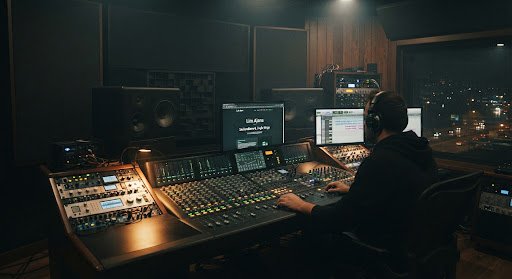
Radio theater enjoyed its golden age in the 1920s with the widespread adoption of radio as a mass communication medium, serving as the first major format to prove the power of voice as a storytelling tool. Shaped by live sound effects (foley), full orchestrations, and dramatic voice acting, this medium experienced a period of stagnation with the rise of television. However, it found a powerful rebirth under the umbrella of the podcast format in the digital age.
This historical evolution of audio represents not only a technical transformation but also a fundamental shift in listener habits and media consumption dynamics:
1. From Mass Broadcasting to Personalized Podcasting
Traditional radio drama was a synchronous experience aimed at a mass audience at fixed broadcast times. Podcast technology eliminated time and space constraints, introducing an asynchronous, highly personalized listening model. Listeners can now access niche, curated content tailored to their specific interests whenever and wherever they choose.
2. Democratization of Production and Audio Technologies
Audio drama productions once required massive acoustic studios, large voice casts, and complex foley equipment. Today, those same standards are accessible through digital audio workstations (DAWs), binaural (3D) microphones, and AI-powered sound libraries. This technological leap has empowered individual content creators to produce high-quality audio storytelling independently.
3. The Renaissance of Audio Storytelling
The recent rise of fiction podcasts and audiobooks directly inherits the legacy of radio theater. The concept of "theater of the mind"—activating the listener's imagination through sound alone—has reached a deeper, more immersive dimension by combining with modern technologies such as spatial audio and Dolby Atmos.
Conclusion: The journey from radio theater to podcasting demonstrates the enduring power of voice to persuade and build meaningful connections. While delivery channels and recording technologies continue to evolve, the human drive to experience stories through sound remains as potent as ever in the digital era.